How Death Becomes Power in Grimdark Fantasy
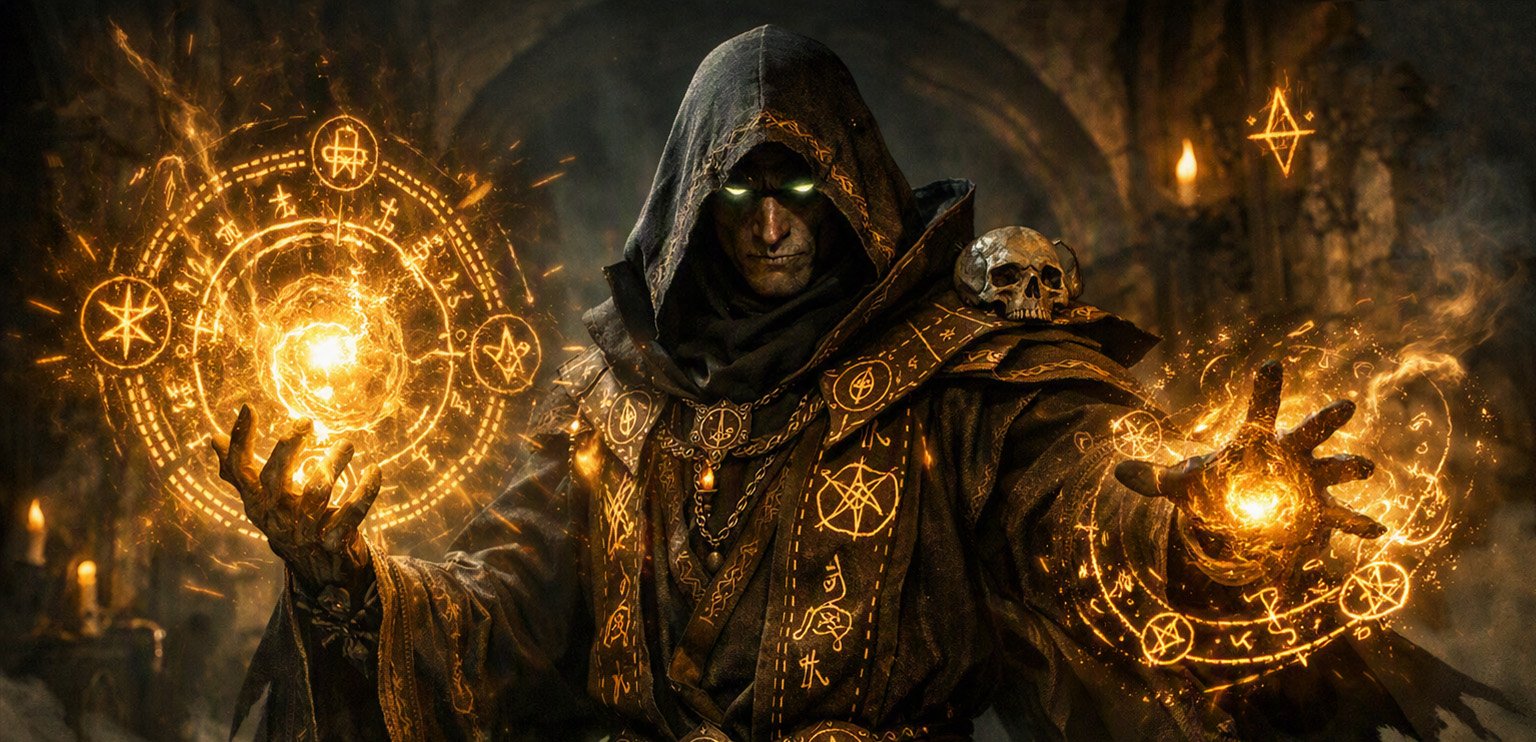
Necromancy has always been one of fantasy’s most feared and forbidden disciplines. Yet beneath the surface of corpse animation and spirit summoning lies a sophisticated magical system built on philosophy, ritual, and the raw truths death reveals. In grimdark worlds—where decay is constant and history is buried under ruin—necromantic magic becomes not only a tool but a worldview.
This follow‑up explores the mechanics, ethics, and narrative power of necromantic magic systems, especially those that treat death not as an enemy but as a source of knowledge.
The Foundation of Necromantic Magic: Death as Information
Most magic systems treat death as a boundary. Necromancy treats it as a library.
Every corpse is a record. Every bone is a ledger. Every lingering echo of consciousness is a fragment of truth waiting to be interpreted. Necromancers do not simply manipulate death—they read it.
In well‑designed necromantic systems, death becomes a form of information:
- Bone fractures reveal battles fought.
- Mineral deposits show where a body lived or labored.
- Residual emotional imprints expose trauma, love, fear, or regret.
- Lingering echoes of consciousness hold memories that refuse to fade.
Necromancy becomes a discipline of interpretation, not domination. The magic is built on understanding, not brute force.
This approach creates a magic system that feels grounded, eerie, and intellectually rich—perfect for grimdark fiction where truth is often buried beneath layers of corruption and decay.
The Three Pillars of Necromantic Magic
A compelling necromantic system usually rests on three conceptual pillars: memory, resonance, and cost.
1. Memory: The Dead Remember More Than the Living Admit
Necromancers tap into memory—personal, ancestral, or historical. Memory becomes a magical resource, a currency, or even a weapon.
Some systems treat memories as spell components. Others bind memories into relics, bone talismans, or runes carved from remains. The dead become advisors, witnesses, or unwilling participants in the necromancer’s craft.
Memory‑based magic is powerful because it is emotional. It forces characters to confront what was lost—and what should have stayed buried.
2. Resonance: The Link Between Life and Death
Resonance is the metaphysical connection between necromancer and corpse, spirit, or echo. It determines:
- how clearly a necromancer can hear the dead
- how deeply they can interpret bone
- how long they can sustain an animation
- how much truth they can extract before the echo fades
Resonance is often influenced by:
- proximity
- emotional connection
- shared lineage
- traumatic events
- the necromancer’s own relationship with death
This creates narrative tension: necromancers must navigate their own mortality to wield their magic effectively.
3. Cost: Death Does Not Give Without Taking
The most important pillar.
Necromantic magic must have a cost—ethical, physical, emotional, or metaphysical. Without cost, necromancy becomes spectacle. With cost, it becomes story.
Common costs include:
- Memory loss (the necromancer forgets pieces of themselves)
- Physical decay (their body mirrors the dead they commune with)
- Emotional erosion (constant exposure to death numbs or distorts them)
- Spiritual contamination (echoes cling to them, whispering truths they cannot unhear)
- Social exile (society fears what they represent)
Cost is what makes necromancy compelling. It transforms magic from a tool into a burden.
Rituals: The Craft Behind the Magic
Necromantic rituals are not flashy—they are intimate, meticulous, and often unsettling. They reveal the necromancer’s respect for the dead.
Bone Reading
A quiet ritual involving touch, interpretation, and resonance. The necromancer reads fractures, mineral patterns, and marrow echoes.
Echo Invocation
Calling forth fragments of consciousness. Not a full spirit—just a memory with a voice.
Corpse Animation
The most feared ritual. In grimdark fiction, animation is rarely clean. It is painful, imperfect, and ethically fraught.
Memory Binding
Storing the dead’s memories in objects—bone shards, runes, relics, or living hosts.
Ancestral Communion
Seeking guidance from long‑dead lineages. Often used for political or moral decisions.
These rituals add texture to the magic system. They make necromancy feel ancient, practiced, and deeply cultural.
Ethics: The Moral Weight of Raising the Dead
Necromancy is inherently ethical. Every spell forces a question:
Is it right to disturb the dead?
Different cultures answer differently:
- Some see necromancers as sacred archivists.
- Others treat them as abominations.
- Some societies rely on necromancers for justice—consulting the dead as witnesses.
- Others outlaw necromancy entirely, forcing practitioners into exile.
This tension creates rich storytelling opportunities. Necromancers become mirrors reflecting a society’s relationship with death, truth, and memory.
Necromancy in Grimdark Worlds
Grimdark settings amplify necromancy’s power.
Ruins, decay, war, famine, and political collapse create landscapes where the dead outnumber the living. Necromancers thrive in these spaces because the world itself is a graveyard.
In grimdark fiction:
- necromancers uncover truths rulers want buried
- they navigate moral ambiguity with clarity others lack
- they wield death not as horror but as knowledge
- they become reluctant heroes, archivists, or rebels
Necromancy becomes a tool for justice in a world where justice is dead.
Final Thoughts: Why Necromantic Magic Endures
Necromantic magic systems endure because they confront the one truth fantasy often avoids: death is inevitable, but meaning is not.
Necromancers preserve meaning.
They walk the boundary between silence and remembrance, wielding magic that is as philosophical as it is supernatural. In grimdark worlds—where hope is scarce and truth is buried—necromancers become the last custodians of memory.
And that makes their magic unforgettable.
Joe Sarkic writes award‑winning grimdark fantasy and science fiction, crafting atmospheric tales of haunted realms, fractured megacities, and the people who survive them. Step into Veil of Dawn’s Promise and Necrocracy: Forsaken Guardian to explore worlds where both sorcery and technology demand a price.
Join My World