
Why I Wanted My Magic to Smell Like Copper and Ozone
Magic in fiction has a terrible habit of being too clean. Characters wave hands, light blossoms, and the air smells like nothing at all—or worse, lavender and starlight. But power demands a toll. When the veil tears and forces beyond human understanding bleed into the world, the human body should be the first to know it.
That is why the magic in Necrocracy: Forsaken Guardian does not wait for a visual confirmation. It arrives through the nose first.
Bypassing the Logic Gate
Sight is too easy to rationalize. When a reader sees a bright flash of light on a page, the brain files it away as a spectacle—a movie effect playing behind the eyes. Smell operates entirely differently. Olfactory signals bypass the logical filters of the mind and strike straight at the primitive core of survival.
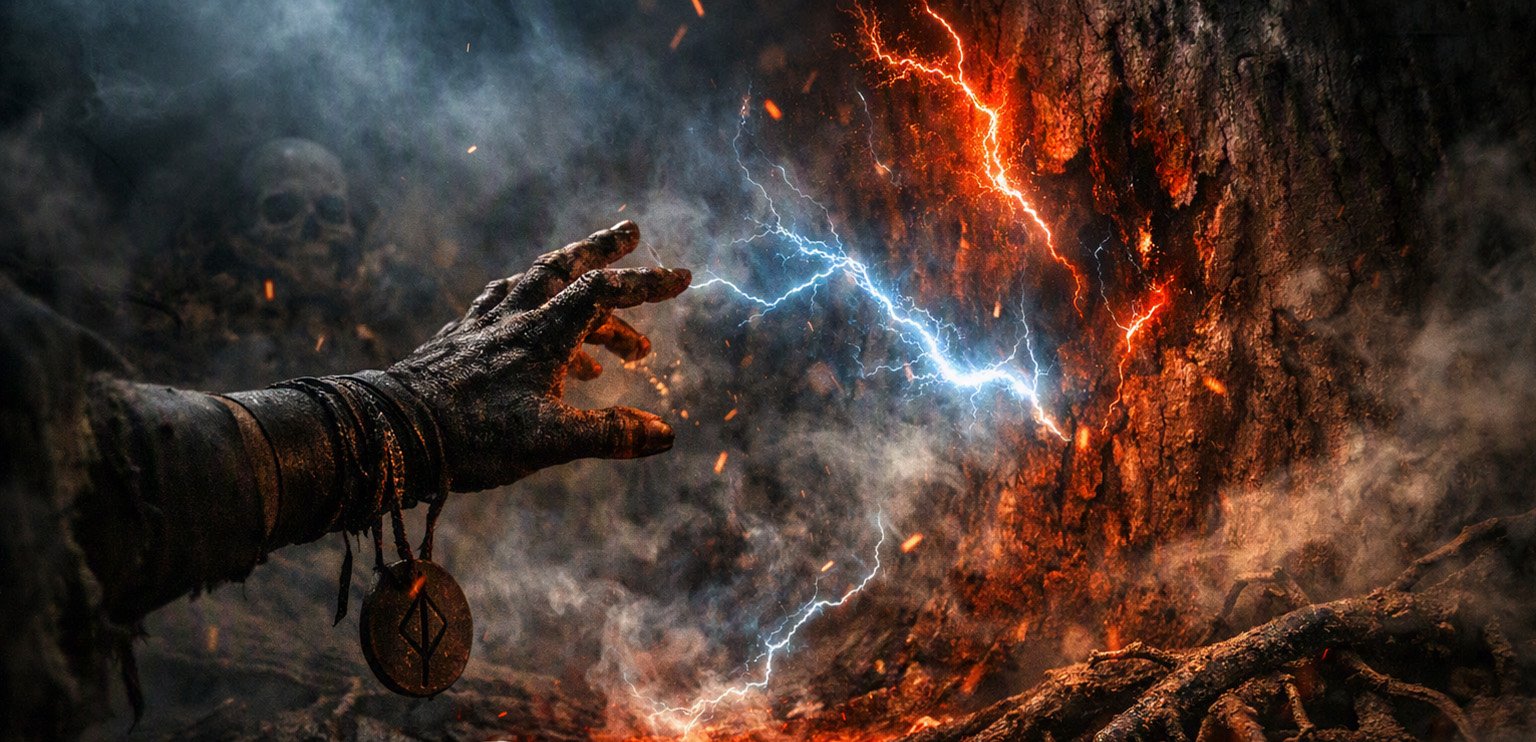
Long before a character draws a blade or casts a spell, the air turns foul. The sharp, metallic tang of copper floods the back of the throat, mimicking the sudden taste of internal bleeding. Right behind it comes the acrid bite of ozone, heavy and electrical, like the dead air trapped immediately before a lightning strike shatters the earth.
By leading with these sensory cues, the atmosphere shifts instantly. The body reacts before the intellect catches up. There is an involuntary tightening in the chest, a prickle of cold sweat across the skin. The reader feels the dread settling into the marrow long before a single spell is actually cast.
Grounding the Supernatural in Physical Reality
Dark fantasy requires weight. If magic feels weightless, the stakes evaporate with it. By anchoring supernatural energy to visceral, uncomfortable physical triggers, the magic becomes as real and dangerous as a blade pressed against the skin.
Copper and ozone are not pleasant scents. They are the smells of ruined machinery, electrical fires, and fresh blood spilled on cold stone. They remind the characters—and the reader—that wielding these forces is an act of violence against nature itself. Every time the air thickens with that metallic sting, the cost of power is paid in full.
Atmosphere is not just painted onto a scene; it rises up from the floorboards. When the air turns to copper and ozone, everyone in the room knows the dark has arrived.
Joe Sarkic writes award‑winning grimdark fantasy and science fiction, crafting atmospheric tales of haunted realms, fractured megacities, and the people who survive them. Step into Veil of Dawn’s Promise and Necrocracy: Forsaken Guardian to explore worlds where both sorcery and technology demand a price.
Join My World